
How to Seal Bags of Live Fish and Fingerlings with Water and Oxygen
Safe live fish transport requires 1/3 water, 2/3 pure pressurized oxygen, and a 100% airtight closure. Discover the professional method with Uniclip clippers that eliminates oxygen leakage, prevents fingerling suffocation on trips up to 48 hours, and replaces rubber bands with standardized mechanical seals.
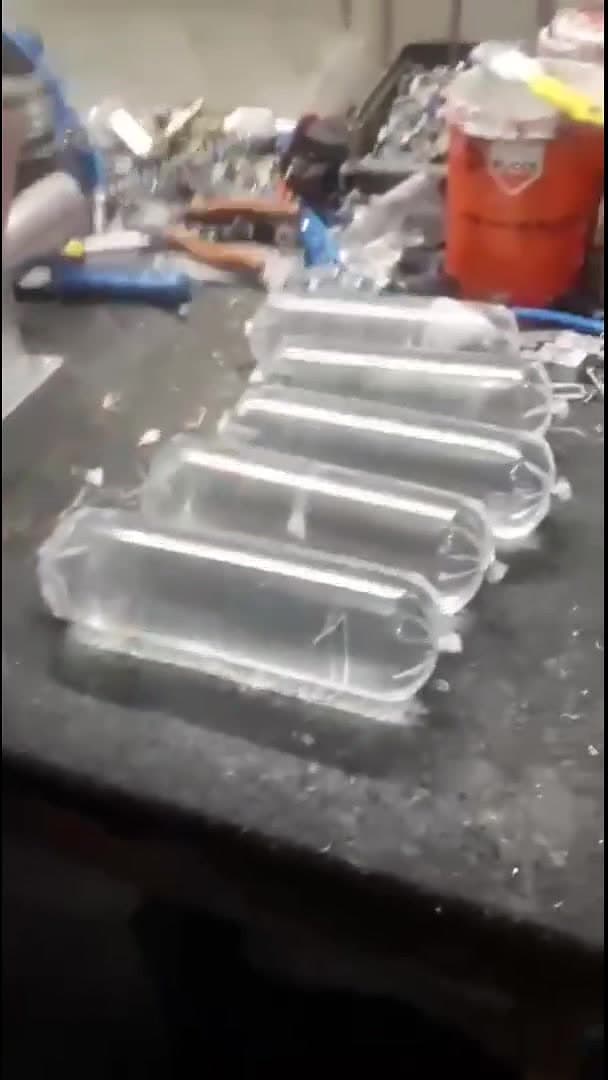
Airtight Technology
Mechanical seal with calibrated hammer: pure oxygen retained for up to 48h with zero micro-leaks.
The Correct Procedure to Pack and Seal Live Fish
1. Water and Biomass Proportion
Add 1/3 clean, dechlorinated water at the target species' temperature (tilapia, carp, or ornamentals), respecting the biomass volume limit.
2. Pure Oxygen (O₂) Injection
Insert the oxygen hose to the bottom, purge atmospheric air, and inflate the remaining 2/3 of the bag until it becomes completely rigid and taut like a balloon.
3. Tight Neck Twisting
Grasp and twist the plastic bag neck into a continuous spiral, compacting the plastic layers to retain internal pressure before sealing.
4. Mechanical Seal in 2 Seconds
Position the twisted neck inside the Uniclip clipper. The mechanical hammer crimps the non-toxic aluminum clip into an omega closure, securing the gas without puncturing the film.
Why Rubber Bands Kill Fish in Transit
Many breeders still lose valuable loads of fingerlings by relying on cut inner tubes or elastic bands. Here is why that method fails:
Slow Oxygen Micro-Leakage
Rubber loses tension under road heat and vibrations. Oxygen seeps out gradually, suffocating fish before arrival.
Puncture Risks on Pressurized Bags
Brittle rubber snaps under box friction, while rough steel staples tear pressurized plastic. Uniclip aluminum clips feature rounded ends that never puncture.
Operator Strain and Slow Output
Tying rubber bands manually takes 15 to 25 seconds per bag and causes repetitive strain injury. A clipper achieves a perfect seal in just 2 seconds.
Clippers Engineered for Live Fish Bags
Our clients exclusively use Models 2 through 4 (manual or pneumatic), sized specifically according to packaging volume and bag dimensions.
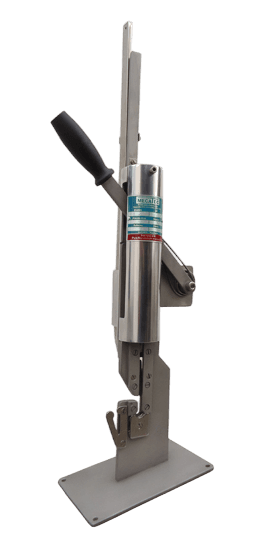
Manual Clippers (Models MM-2 to MM-4)
The most versatile solution and the best choice for operations without electricity or compressed air lines. 100% mechanical lever-actuated operation with tempered hammer, operating with complete autonomy pondside, in reservoirs, and on transport trucks. The exact model (MM-2, MM-3 or MM-4) depends on bag volume.
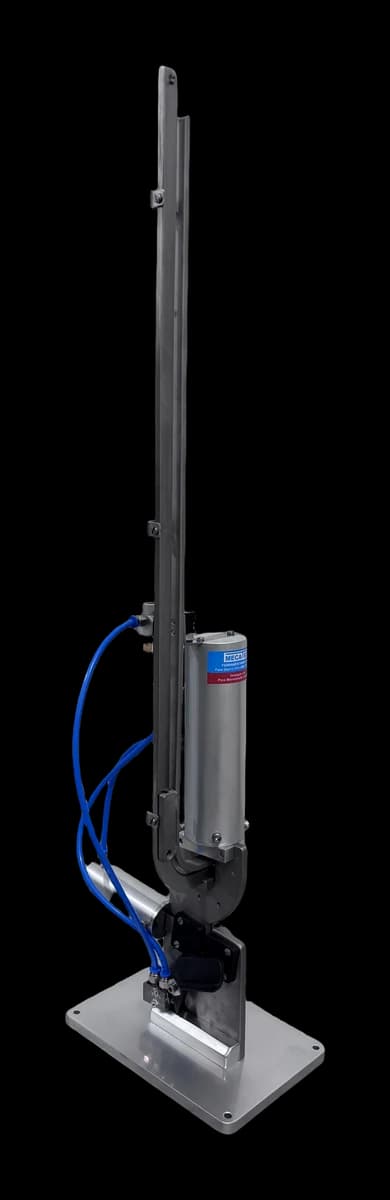
Pneumatic Clippers (Models M-2 to M-4)
Engineered for fingerling hatcheries and high-volume packing stations. Smooth foot pedal actuation up to 6 kg, leaving both hands free. Model (2, 3, or 4) selected based on bag volume.
Which model (2, 3 or 4) is right for your bag?
The exact machine model and aluminum clip gauge vary directly based on your bag dimensions, film thickness, and fish/water volume. Speak with a Uniclip technician to get the exact specification for your operation.
Comparison: Uniclip Aluminum Clips vs. Rubber Bands
Compare both methods and understand why mechanical sealing eliminates mortality during transport.
| Operational Criterion | Uniclip Mechanical Clipper | Rubber / Elastic Bands |
|---|---|---|
| Oxygen (O₂) Retention | Hermetic for up to 48h (zero pressure drop) | High risk of microleaks (slow, imperceptible oxygen loss) and asphyxiation |
| Closure Time | 2 seconds per bag | 15 a 25 seconds per bag |
| Bag Integrity | Malleable aluminum without piercing burrs | Friction wear and rubber snapping |
| Operating Environment | Pondside (Manual MM Line) or packing facility (Pneumatic M Line) | Manual, exhausting, and inconsistent |
Swipe sideways to compare the columns
Frequently Asked Questions about Live Fish Packaging
How does the clipper prevent oxygen from escaping on the road?
The machine uses a tempered steel hammer and precision die to compress the twisted plastic neck inside a malleable aluminum clip. The omega-shaped closure seals the folds hermetically, leaving zero micro-gaps for gas or water escape.
Does the MM Line manual clipper need power or compressed air?
No. The MM Line (models MM-2 to MM-4) is 100% mechanical and operated via an ergonomic hand lever. It is the best choice for field harvests and truck dispatch right beside ponds without any electrical grid or air compressors.
Can the clip puncture the pressurized bag?
No. Our aluminum clips (such as models S-524 and S-528) are manufactured with ductile alloys and smooth deburred tips designed to curve seamlessly around the neck without perforating the film.
Which clipper model (2, 3, or 4) should I choose for my live fish bags?
Our clients exclusively use models 2 through 4 (both in the Manual MM and Pneumatic M lines). The choice of the exact model varies directly according to the dimensions, volume, and film thickness of your plastic bags. To determine the ideal model and clip for your package, our technicians provide direct consultation via WhatsApp.
Ready to Eliminate Live Fish Losses During Transport?
Consult our engineering team to identify the ideal clipper and clip size for your fish farm and fingerling distribution line.
Talk to a Technical Specialist